 English
Views: 23 Author: Site Editor Publish Time: 2026-05-27 Origin: Site


In the beauty and personal care industry, packaging plays a much greater role than simply holding a product. It is the interface between formulation and user, influencing not only product safety and stability but also brand perception and environmental impact.From spray bottles to lotion jars and vacuum pump bottles, choosing the right packaging is a critical step in ensuring that formulations perform as intended and remain safe throughout their shelf life.This article explores the scientific and technical reasons why proper packaging selection is vital for cosmetic and personal care products.
The primary function of packaging is to protect the formula from environmental influences such as air, light, moisture, and microorganisms.
Each type of packaging provides a different level of protection depending on the formulation’s sensitivity.
Used for toners, facial mists, and hair sprays, spray bottles are designed to dispense products in fine droplets without introducing air back into the container. High-quality spray packaging ensures:
Uniform spray pattern for even application.
Airtight closure to prevent leakage and contamination.
Resistance to pressure fluctuations during shipping and storage.
Lotion jars are common for creams, balms, and masks. However, since they are repeatedly opened, exposure to air and microbes can degrade sensitive ingredients. To address this:
Inner seals or protective lids are added for hygiene.
Opaque or UV-blocking materials prevent light degradation.
Stable polymers like PP or PETG reduce chemical migration risks.
Airless bottles represent a major innovation in formula preservation. By using a piston-driven dispensing system, they eliminate air contact, protecting delicate active ingredients such as vitamin C, peptides, and retinol.This design prevents oxidation and microbial growth,allows nearly 100% product evacuation, reducing waste and extends shelf life without relying on synthetic preservatives.
In all cases, the choice of the right packaging form depends on the sensitivity, viscosity, and chemical composition of the product.
Material safety is fundamental in cosmetic packaging because any chemical interaction between the formula and the container can alter product quality or pose health risks.
PP (Polypropylene): Used for lotion jars and airless bottles due to its chemical stability and recyclability.
PET (Polyethylene Terephthalate): Ideal for spray bottles; lightweight and impact-resistant.
PETG: Provides superior clarity and strength, often used for premium packaging.
Acrylic (PMMA): Offers a luxurious glass-like appearance but must include an inner liner to prevent formula contact.
To ensure safety and compliance:
Materials must be BPA-free and phthalate-free.
Migration testing ensures no harmful substances leach into the formulation.
Packaging must comply with FDA, REACH, and EU 1223/2009 standards.
Selecting compatible materials is particularly important for formulas containing essential oils, acids, or alcohol, as these may react with certain plastics or cause deformation over time.
Even the best formulation can fail if the packaging cannot preserve it effectively. Sealing integrity and dispensing consistency are therefore central performance indicators in cosmetic packaging design.
Airtightness is vital for preventing leakage, oxidation, and contamination.
Spray bottles must pass leakage and pressure resistance tests.
Lotion jars use inner seals or foil membranes for protection.
Vacuum pump bottles must maintain constant negative pressure to enable airless dispensing.
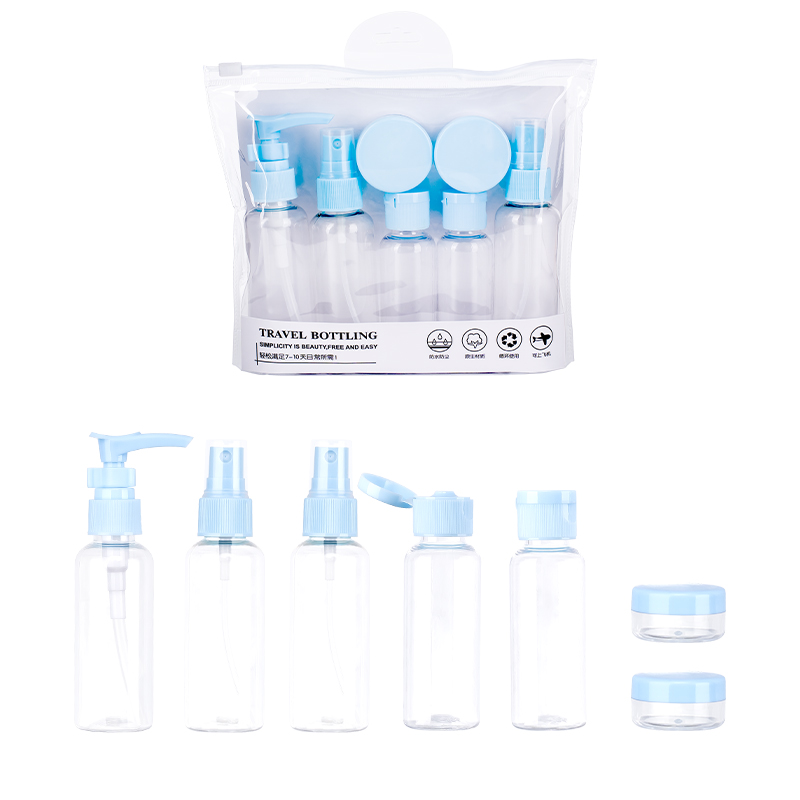
Packaging must deliver the right amount of product smoothly and repeatedly.Performance testing measures:output volume per stroke,actuation force (the effort needed to pump) and uniformity of spray or lotion flow.
An imbalance in any of these parameters can affect the user experience, leading to uneven application or product waste.
Beyond functionality, packaging serves as a tangible expression of brand value. It shapes how consumers interact with and perceive the product.
Spray bottles with fine mist nozzles offer a refreshing and premium feel.
Lotion jars with smooth lids and elegant finishes convey luxury.
Airless bottles with transparent walls allow consumers to monitor usage levels, adding trust and convenience.
Studies in consumer behavior show that packaging directly affects purchase decisions. Color, texture, and form influence how users perceive product quality and efficacy.For example: Minimalist packaging is often associated with clean beauty and sustainability;Glossy acrylic finishes evoke sophistication in high-end skincare lines.
Choosing packaging that aligns with a brand’s visual identity and sustainability goals enhances overall market competitiveness.
In global markets, compliance with packaging safety and performance standards is mandatory.Manufacturers typically adhere to:
ISO 22715 – Cosmetic packaging and labeling.
ASTM D3078 – Bubble emission leak testing.
GB/T 29680-2013 – Chinese standard for cosmetic container performance.
Before launch, packaging undergoes multiple quality control processes:
Dimensional checks for fit accuracy.
Leakage tests under pressure and temperature variations.
Aging simulations to predict long-term stability.
Compliance not only ensures product safety but also builds brand credibility in international markets.
Today’s consumers expect beauty brands to embrace eco-conscious packaging solutions. Selecting the right packaging involves balancing functionality, aesthetics, and environmental impact.
Mono-material packaging (e.g., all-PP or all-PET) simplifies recycling.
Refillable jars and airless cartridges reduce waste and encourage reuse.
PCR (Post-Consumer Recycled) plastics lower carbon footprint.
Bio-based plastics, such as PLA, offer renewable alternatives.
Reducing material thickness and component count helps minimize production and transport emissions without compromising strength.
Brands that adopt sustainable packaging can meet both regulatory requirements and consumer expectations, strengthening their reputation for social responsibility.
As technology advances, packaging is becoming smarter, safer, and more sustainable. Emerging trends include:
Smart dispensing systems with micro sensors for controlled dosing.
Digital labeling using QR or NFC codes for authenticity verification.
Hybrid materials combining recyclable polymers with renewable fibers.
These innovations aim to improve user experience while aligning with global sustainability goals and circular economy principles.
In the competitive world of beauty and personal care, packaging is as crucial as the formulation itself.Whether it’s a spray bottle, lotion jar, or vacuum pump bottle, the right packaging ensures product integrity and hygiene,compliance with safety standards.
Choosing the right packaging is not just a design decision—it’s a strategic investment that affects brand trust, product performance, and long-term success.For brands aiming to stand out in a crowded market, intelligent, compliant, and sustainable packaging design is no longer optional—it’s essential.To learn more information about beauty packaging,you can visit our website:www.packsubir.com.You can contact us by samuel@subircosmetics.com and 86-574-88390029 if you need.


