 English
Views: 22 Author: Site Editor Publish Time: 2026-02-03 Origin: Site


Disinfectant products like 75% alcohol, chlorine-based solutions, or quaternary ammonium compounds are essential for daily hygiene—but their effectiveness and safety depend heavily on the right spray bottle. Using an incompatible bottle can lead to corrosion, liquid leakage, or even reduced disinfectant potency. Whether you need a compact pocket sprayer for on-the-go use or a durable spray bottle for home/commercial disinfection, this guide breaks down the key factors to consider for a smart purchase.
Different disinfectants have unique chemical properties, so the spray bottle material must resist corrosion and avoid reacting with the liquid. Here’s how to choose:
Recommended Materials: Food-grade PP (Polypropylene) or PET (Polyethylene Terephthalate).
PP is heat-resistant (up to 100°C) and non-reactive with alcohol, making it ideal for reusable home spray bottle.
PET is lightweight and shatterproof, perfect for pocket sprayer for travel or commuting—just avoid temperatures over 60°C (it may deform).
Materials to Avoid: PVC (reacts with alcohol, releasing toxins) and low-quality PE (swells and leaks over time).
Recommended Material: HDPE (High-Density Polyethylene).
HDPE is highly resistant to strong alkalis and chlorine, preventing bottle corrosion. It’s opaque, which also helps block light—critical for preserving chlorine (light accelerates its decomposition). Choose HDPE spray bottle for large-capacity storage (1-5L) or regular use.
Materials to Avoid: Glass (short-term use is okay, but long-term storage causes pressure buildup from chlorine gas) and metal (corrodes quickly, contaminating the disinfectant).
Flexible Choices: PET, PP, or HDPE all work. These disinfectants are less harsh, so you can prioritize other factors like bottle size or design. A pocket sprayer made of PET is great for carrying, while a PP spray bottle suits home use.
Disinfectants like alcohol are flammable, and chlorine solutions are corrosive—leaks from a spray bottle or pocket sprayerpose risks. Focus on these 3 design features:
Look for double silicone gaskets (instead of single gaskets). The inner gasket blocks liquid leakage, while the outer one prevents evaporation (key for alcohol).
Choose bottles with deep-threaded caps (thread depth ≥1.5mm). This creates a tight seal when closed, even if the bottle is inverted (important for pocket sprayer in bags).
For alcohol: Opt for a one-way valve sprayer. When not pressed, the valve closes to stop alcohol from evaporating and air from entering—maintaining its concentration.
For chlorine: Pick an all-plastic sprayer head (no metal parts). Metal springs or valve cores corrode in chlorine, leading to clogs or leaks. Removable sprayer heads are a plus—they’re easy to clean.
Nozzle size: A 0.1-0.3mm nozzle produces a fine mist, ensuring even disinfection without wasting liquid. Avoid large nozzles that spray in streams (inefficient for surface coverage).
Home spray bottle: Look for textured bottle bodies—they’re easier to grip when hands are wet.
Pocket sprayer: Choose a compact, ergonomic design with a non-slip surface. This reduces the risk of dropping it (critical for glass-free, shatterproof models).
Your daily needs determine the best spray bottle size, design, and features. Here’s a scenario-based guide:
Size: 200-500ml (easy to hold and refill).
Material: Food-grade PP (reusable and durable).
Extras: A safety lock on the sprayer—prevents accidental use by kids.
Size: 50-100ml (fits in purses or pockets—compliant with travel liquid rules).
Material: Thickened PET (lightweight and leak-proof).
Must-have: A pocket sprayer with a snap-on cap—adds extra protection against leaks in bags.
Size: 1-5L (reduces frequent refills).
Material: HDPE (resists corrosion from frequent chlorine use).
Features: A wide bottle mouth (easy to refill with large disinfectant containers) and a sturdy handle (for comfortable long-term use).
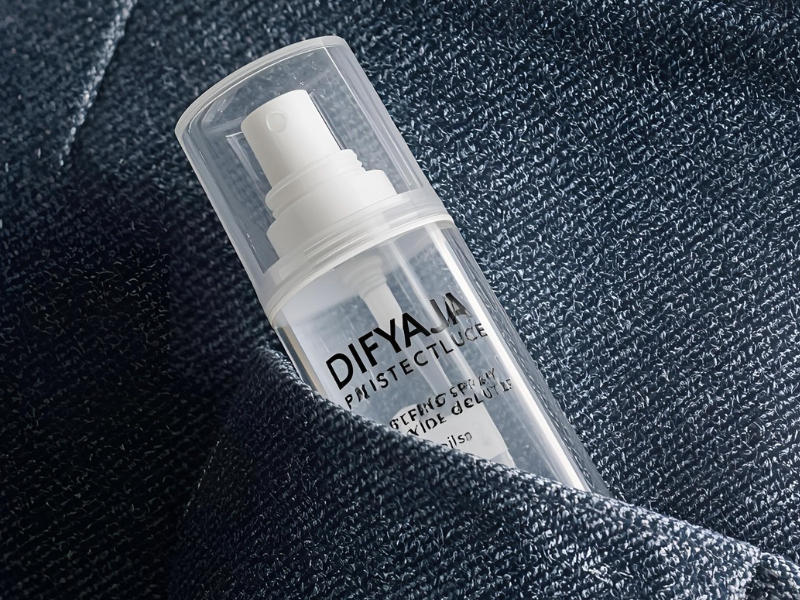
Even a good spray bottle can fail if used incorrectly. Steer clear of these errors:
Mixing disinfectants in one bottle: Never put alcohol and chlorine together (they produce toxic chlorine gas). Always rinse the bottle thoroughly when switching disinfectants.
Ignoring material labels: Check the bottle bottom for codes—“5” for PP, “1” for PET, “2” for HDPE. No label = avoid it (likely low-quality).
Overlooking maintenance: Replace spray bottle every 3-6 months. Seals and sprayer heads wear out over time, even with safe materials.
Choosing the right spray bottle for disinfectant products is about balancing material compatibility, leak-proof design, and scenario fit. For alcohol, go for a PET pocket sprayer (portable) or PP home bottle; for chlorine, an HDPE bottle is a must. Prioritize double gaskets, one-way valves, and anti-slip features to ensure safety and efficiency. By following these tips, you’ll keep your disinfectants effective, avoid waste, and protect yourself and others during use.If you are looking for safe material spray bottles,you can browse our website:www.packsubir.com.Please contact us by 86-574-88390029 and samuel@subircosmetics.com if you need.We are pleasure to serve you.


