 English
Views: 24 Author: Site Editor Publish Time: 2026-05-26 Origin: Site


In the beauty and personal care industry, packaging is far more than just an outer shell—it is a functional barrier, a preservation system, and a brand communicator. From spray bottles to lotion jars and vacuum pump bottles, each type of cosmetic container must meet strict industry standards to ensure safety, performance, and user satisfaction.This article provides an in-depth look into the key standards governing beauty packaging, focusing on material safety, airtight sealing, and performance testing—three pillars that define high-quality cosmetic containers.
Cosmetic packaging is regulated by a combination of international guidelines, national regulations, and industry standards to protect consumer health and ensure product stability.Some widely recognized frameworks include:
ISO 22715 – Packaging and labeling standards for cosmetics.
EU Regulation (EC) No 1223/2009 – Governing material safety and labeling requirements in the European Union.
FDA 21 CFR Part 700 – Regulating cosmetic packaging and labeling in the United States.
GB/T 29680-2013 (China) – Standard for cosmetic container performance and compatibility.
These regulations focus on three key aspects:
Chemical compatibility between packaging materials and cosmetic formulations.
Physical performance, such as sealing, strength, and dispensing reliability.
User safety, ensuring materials are non-toxic, non-irritant, and free from restricted substances.
Material safety is the first and most critical consideration in packaging design. Since cosmetic containersare in direct contact with skincare and personal care formulations, any chemical migration or degradation could compromise product integrity and consumer health.
PP (Polypropylene): Widely used for lotion pumps and jars due to its excellent chemical resistance and recyclability.
PET (Polyethylene Terephthalate): Ideal for spray bottles—lightweight, transparent, and resistant to impact.
PETG: Offers higher clarity and toughness, often used for high-end airless packaging.
Acrylic (PMMA): Provides a glass-like appearance for luxury creams but must be paired with an inner liner to avoid chemical reactions.
HDPE (High-Density Polyethylene): Common in body lotion containers; good chemical resistance and stability.
Packaging materials should meet the following criteria:
BPA-free and phthalate-free composition.
Non-reactivity with cosmetic ingredients such as essential oils, acids, or alcohol.
Migration testing, ensuring no harmful substances leach into the product.
Compliance with REACH, RoHS, or FDA material standards.
Manufacturers often perform accelerated aging tests and compatibility studies to simulate long-term product exposure and verify packaging safety over its shelf life.
The sealing integrity of cosmetic packaging directly affects the shelf life and stability of skincare and makeup products. Effective sealing prevents oxidation, evaporation, leakage, and microbial contamination—issues that can degrade formula efficacy.
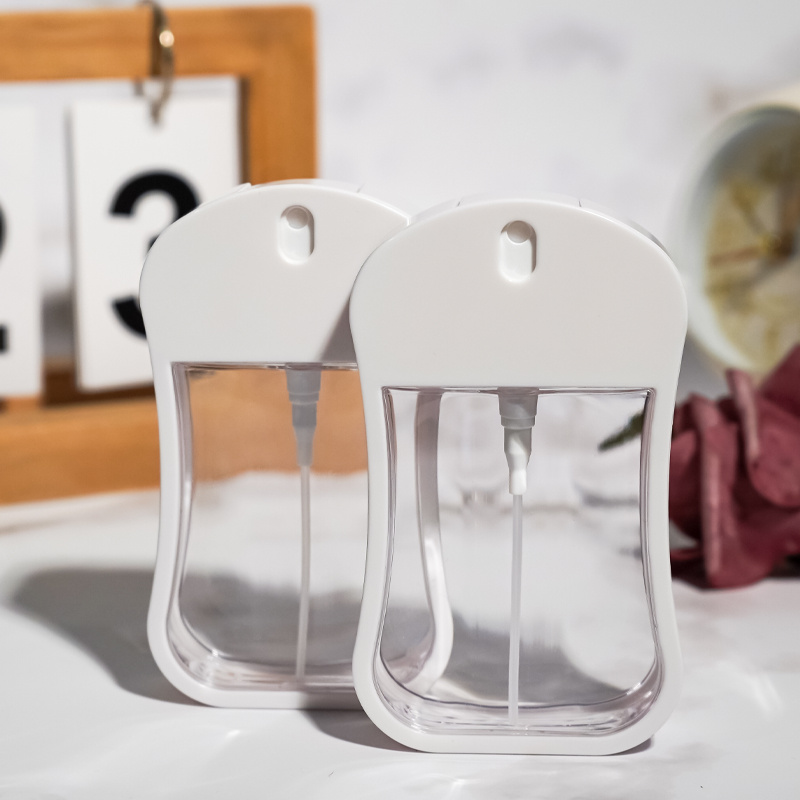
Spray bottles rely on precise nozzle and cap assembly to ensure airtight storage and consistent mist output. The sealing system typically includes:
A tight screw cap or crimp neck to prevent leakage.
Silicone gaskets to maintain pressure integrity.
Pressure and leakage testing under varying temperatures.
b. Lotion Jars
Lotion jars require both external sealing (cap fit) and internal sealing (liner or protective disc).To enhance freshness and hygiene:
Inner seals or foil membranes are applied before the lid is closed.
Thread torque testing ensures the cap’s tightness meets required standards.
c. Vacuum Pump Bottles (Airless Bottles)
Airless bottles eliminate backflow of air through a sealed piston system. This ensures:
Zero air contact after the first use.
Complete evacuation of product with minimal residue.
Consistent dispensing even for high-viscosity creams.
All three categories undergo vacuum leakage tests, pressure resistance evaluations, and temperature cycling tests to confirm sealing performance across different conditions.
Beyond safety and sealing, packaging must perform reliably during its entire service life—from production to end-user application.
Performance standards include:
Pump actuation force (for airless and spray bottles): Must remain within user-friendly pressure limits.
Thread strength (for jars and bottles): To withstand repeated opening and closing.
Drop resistance testing: Ensures containers maintain structure after accidental falls.
For airless and pump bottles, the dispensing uniformity is a key metric.Testing involves:
Measuring output per stroke.
Evaluating consistency of flow and prevention of clogging.
Ensuring no air ingestion that could interrupt pumping.
Containers are exposed to simulated conditions:
High and low temperature storage (e.g., -10°C to 50°C).
UV exposure testing to evaluate material color stability.
Content compatibility analysis to verify no deformation or discoloration over time.
Such rigorous testing ensures that the packaging not only looks good but also performs flawlessly under global distribution and retail conditions.
As sustainability becomes a global priority, modern beauty packaging standards increasingly include environmental performance criteria.Key sustainable approaches include:
Recyclable materials such as mono-material PP or PET structures.
Refillable packaging systems, especially for lotion jars and airless bottles.
Use of PCR (Post-Consumer Recycled) plastics to reduce virgin plastic consumption.
Lightweight design optimization, lowering material use and shipping emissions.
To ensure both safety and sustainability, many manufacturers follow ISO 14021 (Environmental Labels and Declarations) and Ellen MacArthur Foundation circular economy principles when developing eco-friendly packaging.
Consistent quality control is essential to maintain compliance with cosmetic packaging standards.Typical procedures include:
Incoming material inspection to verify resin quality and composition.
In-process testing, including dimension and appearance checks.
Final performance verification, such as leakage tests and vacuum retention analysis.Certifications like ISO 9001 (Quality Management System) and ISO 15378 (Packaging for Medicinal Products) are often used by leading packaging manufacturers to demonstrate process reliability and product traceability.
The next generation of beauty and personal care packagingwill continue to evolve in three key directions:
Smart Packaging: Integration of NFC or QR codes for product authentication and tracking.
Bio-based Materials: Development of plant-derived plastics that maintain safety and sealing performance.
Minimalist Design: Fewer components and mono-material construction to improve recyclability.
At the same time, regulators and brands will emphasize transparency—publishing full material specifications and environmental impact data to build consumer trust.
In conclusion,from industrial testing laboratories to luxury skincare brands, the standards governing cosmetic packaging have grown increasingly precise and holistic.Material safety ensures that packaging interacts harmlessly with the product; sealing performance preserves its freshness; and mechanical durability guarantees user satisfaction.
Whether it’s a spray bottle, lotion jar, or vacuum pump bottle, compliance with international cosmetic packaging standards is now a baseline requirement—not just for safety, but also for brand credibility and sustainability.As the beauty industry continues to innovate, packaging will remain the silent guardian of every formulation—protecting its purity, performance, and promise. If you want to learn more about the use and maintenance tips of beauty and personal care packaging, please visit our website:www.packsubir.com. We will provide you with the most useful tips for daily life. If you have any questions, please contact us by samuel@subircosmetics.com or 0086-574-88390029.